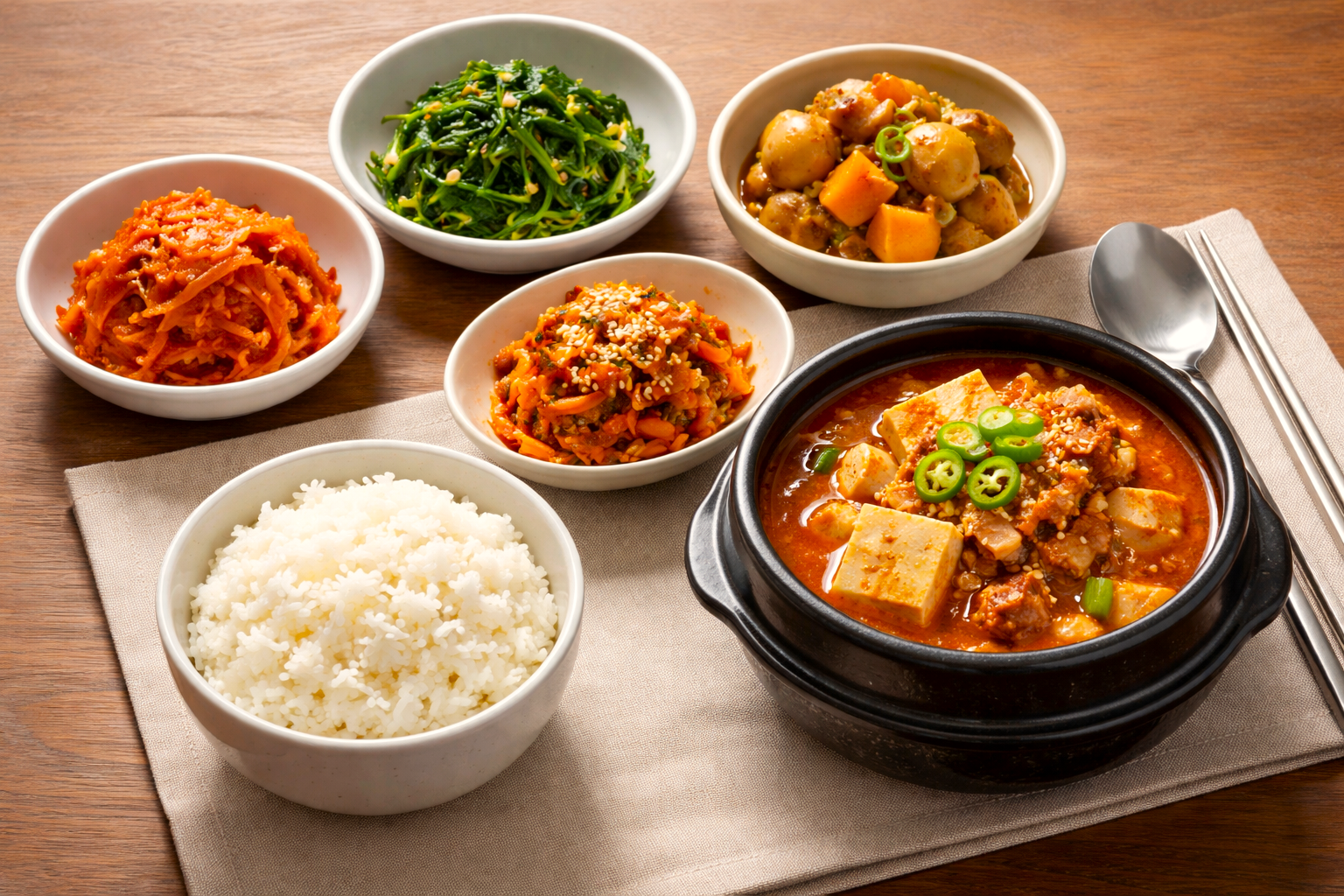
The Korean diet blood sugar connection puzzles nutritionists and — South Korea has one of the highest white rice consumption rates on the planet. The average Korean eats rice two to three times a day, every day, for their entire life.
The United States, by comparison, eats far less rice — and has a type 2 diabetes rate roughly three times higher.
If white rice causes blood sugar spikes, and blood sugar spikes cause diabetes, this makes no sense. Nutritionists have debated it for years. The answer, it turns out, has nothing to do with rice — and everything to do with what surrounds it.
The Numbers That Started the Argument
According to the International Diabetes Federation, approximately 11.6% of American adults have type 2 diabetes. In South Korea, the figure is around 13% — but crucially, Korea’s rate has historically been lower and only recently converged due to rapid Westernization of the Korean diet over the past two decades. Among older Koreans who grew up eating traditional diets, metabolic disease rates remain significantly lower than their Western counterparts at equivalent ages.
This pattern repeats across East Asia. Japan, China, and Korea — all rice-eating cultures — have lower rates of obesity and metabolic syndrome than Western countries despite high carbohydrate consumption. Researchers call this the “Asian paradox,” and it has generated decades of nutrition research trying to explain it.
The answer isn’t a magic ingredient. It’s a meal structure that nobody designed for blood sugar management — but accidentally nails it.
What a Blood Sugar Spike Actually Does — And Why Korean Diet Handles It Differently
Before getting into why the Korean diet handles blood sugar so well, it’s worth understanding what a blood sugar spike actually does to your body — because most people experience the symptoms without knowing the cause.
You eat lunch. An hour later, you’re drowsy, foggy, and craving something sweet. You feel oddly hungry again despite having eaten a full meal. Your concentration drops. This is a blood sugar crash — the inevitable comedown after a sharp spike.
When carbohydrates are digested too quickly, glucose floods the bloodstream faster than insulin can manage it. Blood sugar rises sharply. Insulin overshoots. Blood sugar crashes below baseline. The crash triggers hunger and fatigue signals — your body’s way of demanding more quick energy.
Repeated daily over years, this cycle damages insulin sensitivity and drives the progression toward type 2 diabetes. The post-lunch crash most office workers accept as normal is not inevitable. It’s a meal structure problem.
Now here’s what’s interesting: Korean office workers eating rice at lunch don’t experience this crash at the same rate. Same carbohydrate. Different outcome. Why?
The Korean Meal Structure and Blood Sugar — Taken Apart
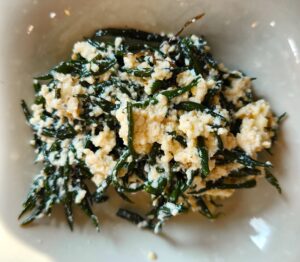
A standard Korean meal has a specific architecture: rice, soup or stew, and multiple small side dishes called banchan. This isn’t arbitrary. Each component plays a role in how the overall meal is digested — and together, they do something remarkable to the glycemic response.
Fiber arrives with the carbohydrates — not after
Korean banchan almost always includes fermented vegetables, cooked greens, and fiber-rich roots. Kimchi, seasoned spinach, bean sprouts, radish, and pickled vegetables sit on the table alongside the rice — not as a separate course, but as simultaneous components of the same meal.
This matters enormously. Fiber slows gastric emptying — the rate at which food moves from your stomach into your small intestine. Slower gastric emptying means glucose enters your bloodstream gradually rather than all at once. The spike becomes a gentle rise. The crash becomes a gradual return to baseline.
Eating fiber with carbohydrates, rather than before or after, is one of the most effective strategies for flattening blood sugar response. Korean meals do this automatically, at every sitting, without anyone tracking macros or reading nutrition labels.
Soup slows everything down
The presence of broth — whether it’s doenjang jjigae, miyeok guk, or a simple anchovy broth — does more than add flavor. Liquid volume slows the rate of eating. Slower eating gives the body more time to release satiety hormones and moderate glucose release. Research on meal pacing consistently shows that the same meal eaten slowly produces a lower blood sugar peak than the same meal eaten quickly.
Korean soup culture effectively forces slower eating. You alternate between rice, soup, and banchan. You can’t inhale the meal. The structure paces you.
Protein and fat at every meal — without thinking about it
Korean meals rarely consist of carbohydrates alone. Tofu, egg, fish, meat, and fermented soybean products appear as expected components of every meal — not occasional additions. Protein and fat both slow gastric emptying and directly blunt the glycemic response to carbohydrates.
This is why glycemic index numbers for individual foods are often misleading. White rice eaten alone has a high glycemic index. White rice eaten with kimchi, doenjang soup, a piece of fish, and three vegetable banchan behaves completely differently in the body. The meal context changes the math.
Fermentation does something extra
Kimchi and other fermented Korean foods aren’t just fiber delivery systems. The fermentation process produces lactic acid bacteria and short-chain fatty acids that support gut health and improve insulin sensitivity over time. Regular kimchi consumption has been associated in multiple studies with improved fasting blood glucose — an effect that goes beyond fiber content alone and builds cumulatively with daily consumption.
What Western Meals Get Wrong — And Why Blood Sugar Pays the Price

Put a typical Western lunch next to a Korean lunch and the structural difference is immediately visible.
A sandwich: white bread, processed meat, maybe a slice of tomato. Fast-digesting carbohydrates with almost nothing to slow them down. No fiber to speak of. Eaten in ten minutes at a desk.
A bowl of breakfast cereal: fast carbohydrates, minimal fiber, a splash of milk for protein. Done in five minutes.
Even meals that seem healthy fall into the same trap. A grilled chicken breast with white rice and a side salad — eaten in sequence, with the salad as an afterthought — doesn’t capture the structural benefit of Korean meals, because the fiber and protein aren’t interleaved with the carbohydrates. You eat the rice, then you eat the salad. The glucose has already entered your bloodstream.
It’s not about individual food quality. It’s about whether the meal’s components are working together to slow digestion — or whether carbohydrates are arriving alone, without reinforcements.
The Resistant Starch Factor Most People Miss
There’s one more structural element in the Korean diet that affects blood sugar levels — and it’s almost never discussed in Western nutrition writing.
When cooked rice cools, a portion of its digestible starch converts into resistant starch — a form that the body cannot break down into glucose in the small intestine. Resistant starch passes to the large intestine instead, where it feeds beneficial gut bacteria and produces short-chain fatty acids that support insulin sensitivity.
Korean meals frequently include rice that has been cooked and cooled — leftover rice reheated for the next meal, or rice served alongside room-temperature banchan that lowers the overall temperature of the meal as you eat. This pattern increases resistant starch content without anyone intending it to.
Research suggests that cooling cooked white rice reduces its glycemic index by 10–15%. Over a lifetime of eating rice two to three times daily, this adds up to a meaningful cumulative difference in blood sugar exposure.
As someone who grew up eating Korean meals, I’ve noticed this firsthand. On days when I eat a balanced Korean meal — rice, soup, and a few vegetable banchan like seasoned greens or radish — I feel noticeably better in the hours after eating. Less bloated, less sluggish. Whether that’s the meal structure or just familiarity, I can’t say for certain. But the pattern is consistent enough that I’ve stopped ignoring it.
Five Things You Can Take From This Today to Control Blood Sugar
You don’t need to eat Korean food at every meal. The structural principles transfer to any cuisine.
Never eat carbohydrates alone. Add protein, fat, or fiber to every carbohydrate-heavy meal. A piece of toast with eggs and avocado is a structurally different meal than toast alone — even though the bread is identical.
Put fiber on the table at the same time as the carbohydrates. Not as a separate course. Not as an afterthought. Simultaneously. This is the core of what Korean meals do, and the timing matters.
Slow down. Eating the same meal over 20 minutes instead of 10 produces a meaningfully lower blood sugar peak. Soup helps. Multiple components requiring attention help. Eating at a table instead of a desk helps.
Cool your cooked starches. Rice, potatoes, and pasta all develop resistant starch when cooked and cooled. Eating them reheated after cooling — or cold — reduces their glycemic impact. Meal prep isn’t just convenient. It’s metabolically smarter.
Add fermented foods regularly. Kimchi, yogurt, kefir, miso — daily fermented food consumption improves insulin sensitivity over weeks and months. The effect is cumulative. One serving doesn’t do much. Daily consumption does.
The Real Lesson: Korean Diet and Blood Sugar
The Asian paradox was never really a paradox. It just looked like one when researchers focused on individual foods instead of meal structure.
White rice was never the problem. The problem is eating fast-digesting carbohydrates quickly, alone, without fiber or protein, multiple times a day for decades. Korean meals — with their mandatory soup, their automatic fiber from banchan, their built-in protein, their slower pace — never had that problem to solve.
The meal structure was the answer all along. Western nutrition science is just now catching up to what Korean kitchens figured out centuries ago.
Related Guides
- Raw vs Cooked Cabbage: Which Is Actually Better for You?
- Korean Winter Radish: Why Cold Weather Makes It Taste Completely Different
- Cabbage Juice Benefits: Does It Really Help Your Stomach?
- Eating One Handful of Cabbage a Day: A Simple Habit for Better Health
- Mini Kimbap Recipe: Easy Bite-Sized Korean Rolls