Paprika powder is one of the most underrated spices in the kitchen. It adds beautiful color, mild sweetness, and a subtle depth of flavor — all without any heat. Whether you are a beginner cook or a seasoned home chef, understanding what paprika powder is and how to use it can genuinely transform your everyday meals.
In this guide, we will cover everything you need to know about paprika powder: what it is made from, why it gets its deep red color, its nutrition benefits, and the best ways to use it at home.
What Is Paprika Powder?
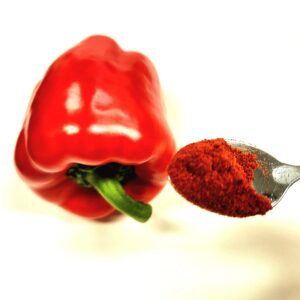
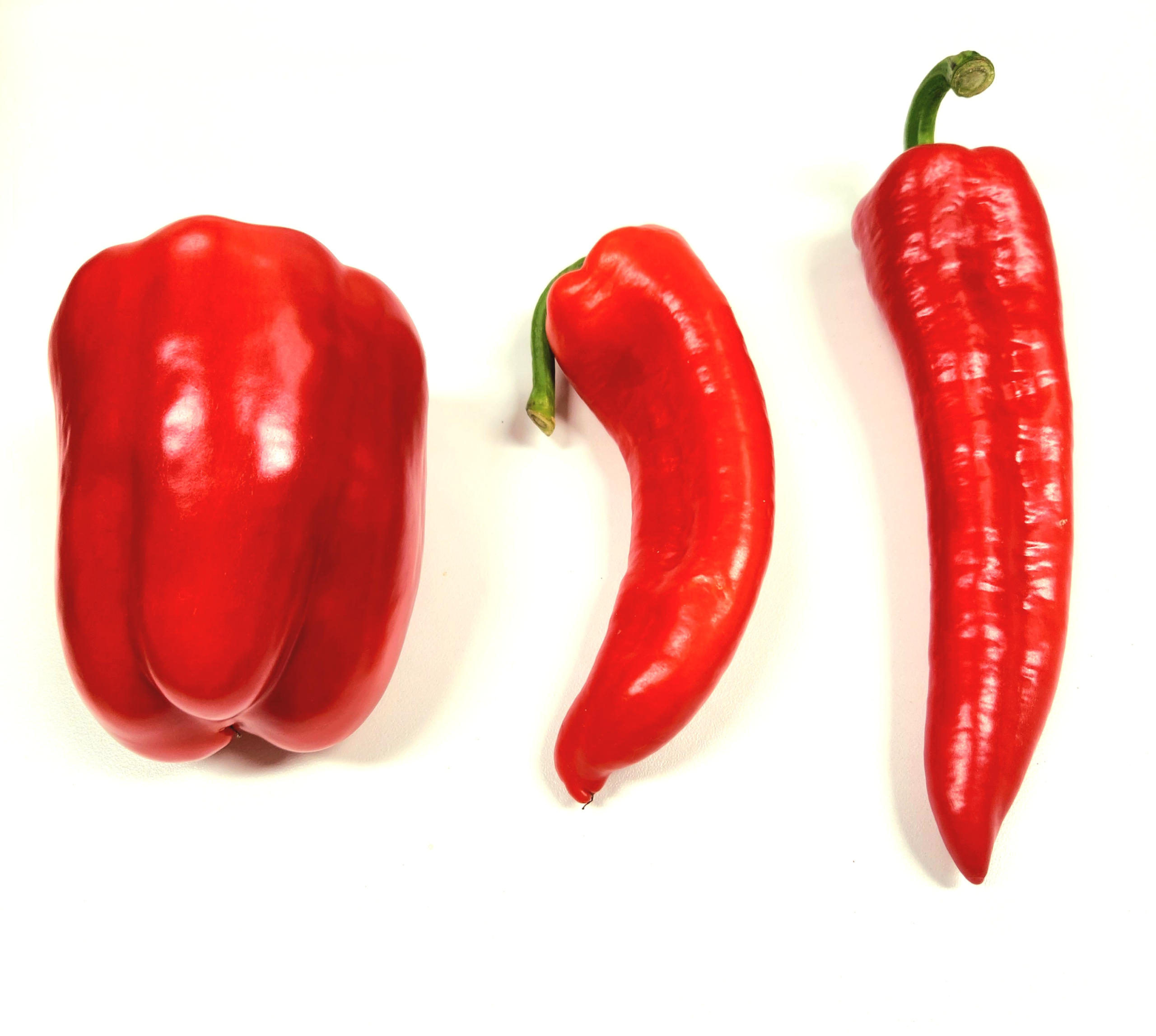
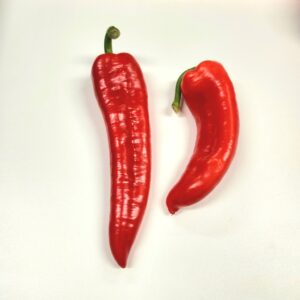
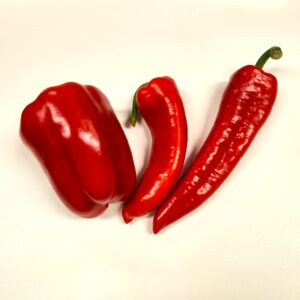
Paprika powder is a ground spice made from dried sweet red peppers, specifically varieties of Capsicum annuum. Unlike chili powder or cayenne pepper, paprika is known for its mild, slightly sweet flavor rather than its heat.
The peppers used to make paprika are carefully dried — either by sun-drying or smoke-drying — and then finely ground into a smooth, vibrant red powder. The result is a spice that brings color and warmth to a dish without overpowering other ingredients.
Paprika is widely used in European cuisine, especially in Spanish, Hungarian, and Turkish cooking. However, it has become a staple ingredient in kitchens all over the world, including in American barbecue rubs, Middle Eastern rice dishes, and Korean fusion recipes.
Types of Paprika Powder
Not all paprika is the same. There are several varieties, each with its own flavor profile and best uses:
Sweet Paprika — The most common type. It has a mild, slightly fruity flavor and vivid red color. This is what most recipes mean when they simply say “paprika.”
Smoked Paprika — Made from peppers that are dried over wood fires, giving it a rich, smoky flavor. It works especially well in soups, stews, and grilled meats.
Hot Paprika — Contains a small amount of hot pepper mixed in, adding a gentle kick. It is still much milder than chili powder.
Hungarian Paprika — Considered some of the highest quality paprika in the world. It comes in a range of heat levels and has a complex, slightly earthy flavor.
For everyday cooking, sweet paprika is the most versatile and beginner-friendly option.
Why Is Paprika Powder So Red?
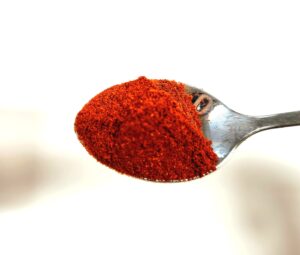
One of the most striking things about paprika powder is its deep, vivid red color. This color comes entirely from natural plant pigments called carotenoids, including beta-carotene and capsanthin.
When the peppers are dried, the water content is removed, which concentrates these pigments and makes the color even more intense. This is why a small pinch of paprika can dramatically change the appearance of a dish — turning pale rice, eggs, or sauces into something visually stunning.
Importantly, this color is completely natural. There are no artificial dyes or additives in pure paprika powder, making it a safe and healthy choice for adding visual appeal to food — especially when cooking for children.
Nutrition Benefits of Paprika Powder
Paprika powder is more than just a pretty color. It also contains a range of nutrients that support good health:
Rich in Antioxidants — Paprika contains carotenoids like beta-carotene and capsanthin, which act as antioxidants. These compounds help protect your cells from damage caused by free radicals.
High in Vitamin A — The beta-carotene in paprika is converted into Vitamin A in the body, which supports healthy vision, immune function, and skin health.
Supports Digestive Health — Unlike hot spices, paprika provides gentle digestive stimulation without causing irritation. It may help support healthy digestion and reduce bloating.
Anti-Inflammatory Properties — Some research suggests that the carotenoids in paprika may help reduce inflammation in the body over time.
Low in Calories — Just one teaspoon of paprika contains only about 6 calories, making it a smart way to add flavor and color to meals without adding unnecessary calories.
Because of its gentle nature, paprika is a great spice for people who enjoy flavor but are sensitive to heat, including young children and older adults.
Good Ways to Use Paprika Powder at Home
One of the best things about paprika powder is how easy it is to use. Here are some of the most popular and effective ways to incorporate it into your cooking:
Sprinkle on Eggs — A light dusting of paprika over scrambled eggs or fried eggs adds color and a subtle sweetness that pairs perfectly with the richness of eggs.
Season Roasted Vegetables — Toss potatoes, carrots, or cauliflower in olive oil and paprika before roasting. The paprika creates a beautiful caramelized coating as it cooks.
Add to Soups and Stews — Paprika is a classic ingredient in goulash, tomato soup, and lentil stew. It adds body, color, and warmth without overwhelming the dish.
Use in Marinades and Rubs — Mix paprika with garlic powder, cumin, and olive oil for a simple but delicious marinade for chicken, pork, or tofu.
Mix into Sauces and Dips — Stir a teaspoon of paprika into hummus, yogurt dip, or sour cream for an instant upgrade in flavor and appearance.
Season Rice Dishes — Add paprika to the cooking water when making rice, or stir it in after cooking for a colorful, flavorful side dish.
Paprika Powder for Kids’ Meals
Paprika is one of the best spices to introduce to children. Because it is naturally mild and slightly sweet, most kids accept it without complaint — unlike spicy seasonings that can cause discomfort.
Parents often use paprika to make food look more appealing. A sprinkle of red powder over plain chicken or a bowl of macaroni immediately makes the dish look more colorful and exciting. Studies in child nutrition have shown that visual appeal plays a major role in whether children will eat a new food.
Some ideas for using paprika in kids’ meals include:
✔ Paprika-seasoned baked chicken strips (a great alternative to store-bought nuggets)
✔ Paprika scrambled eggs with mild cheese
✔ Paprika potato wedges baked in the oven
✔ Mild tomato soup with a pinch of sweet paprika
These dishes are not only nutritious but also visually appealing — which makes mealtime much easier for parents.
A Simple Mild Korean-Style Sauce Using Paprika
One creative way to use paprika powder is to make a mild version of Korean-inspired chili sauce. If you love the flavor of gochujang but find it too spicy, paprika can help you recreate a similar color and mild warmth without the heat.
Here is a simple recipe:
Ingredients:
– 2 tablespoons mild paprika powder
– 1 tablespoon soybean paste or mild miso
– 1 tablespoon honey or sugar
– A small amount of garlic and sesame oil
Mix everything together until smooth. This sauce works well as a dipping sauce, a marinade for grilled vegetables, or a flavor base for stir-fries. It is a wonderful way to introduce Korean-inspired flavors to people who cannot handle spicy food.
Cooking Tips When Using Paprika
To get the most out of your paprika powder, keep these tips in mind:
Do not cook it at very high heat for too long — Paprika can burn quickly and turn bitter if exposed to very high temperatures for extended periods. Add it in the last few minutes of cooking, or bloom it briefly in warm oil at medium heat.
Bloom it in oil for more flavor — If you gently heat paprika in a small amount of oil for 30 to 60 seconds before adding other ingredients, it releases its flavor compounds more effectively and gives a richer taste.
Store it properly — Keep paprika in a cool, dark place away from heat and light. Properly stored paprika will stay fresh and flavorful for up to two years.
Add it near the end of cooking — For soups and stews, stir in paprika toward the end of the cooking process to preserve its vibrant color and fresh flavor.
Final Summary
So, what is paprika powder? It is a mild, colorful, and nutritious spice made from dried sweet red peppers. It is easy to use, kid-friendly, and packed with antioxidants and Vitamin A. Whether you are using it to season roasted vegetables, brighten up a soup, or create a mild Korean-inspired sauce, paprika powder deserves a permanent spot in your spice cabinet.
A small amount goes a long way — both in flavor and in the beautiful red color it adds to any dish. If you have not been using paprika regularly, now is the perfect time to start.
Looking for more healthy cooking ideas? Explore these related guides: