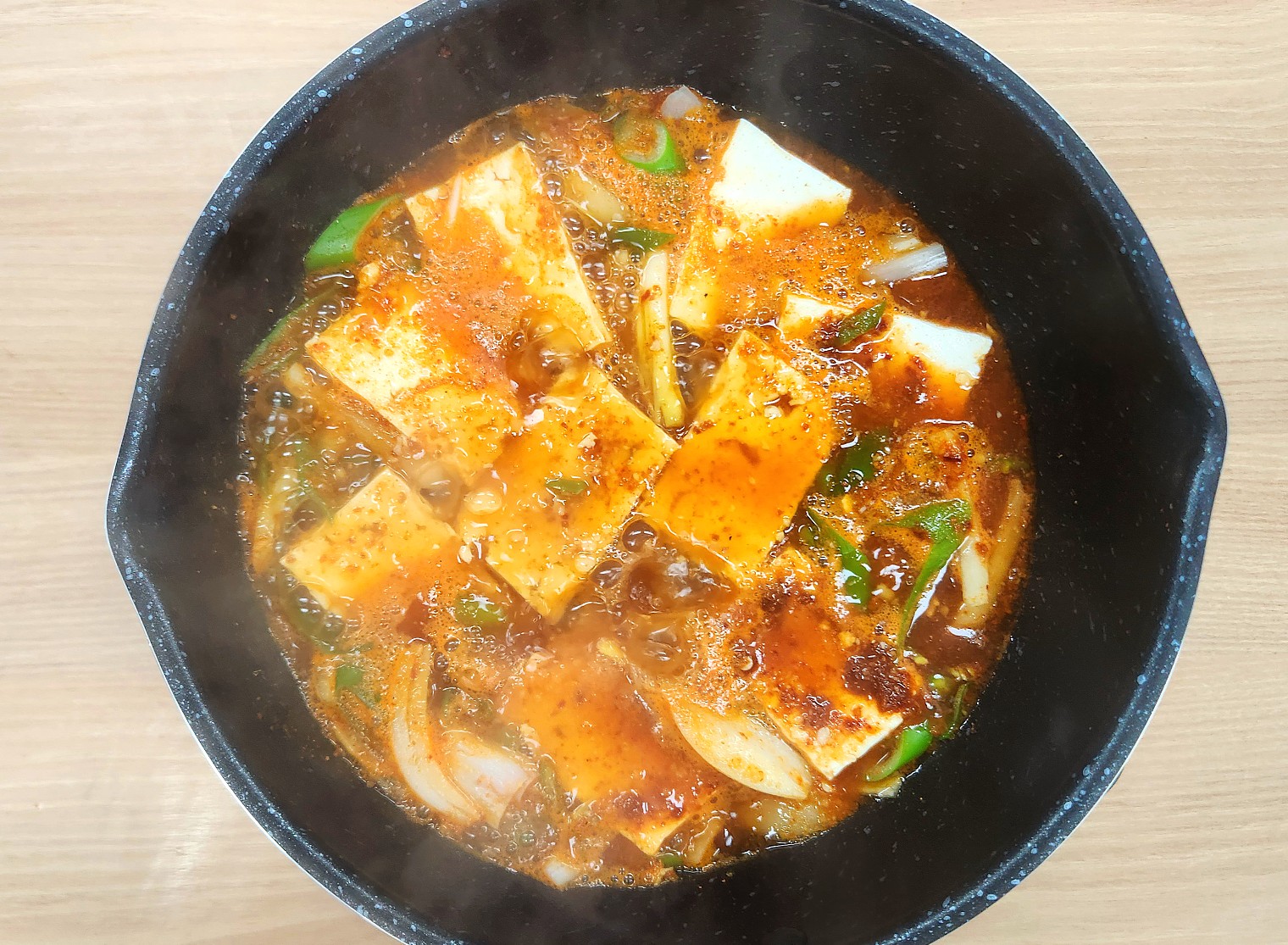
Most people chasing protein think chicken breast, Greek yogurt, protein shakes. Very few think of dubu jorim — the high-protein Korean side dish that delivers complete plant protein in 15 minutes.
That’s a mistake worth correcting.
Dubu jorim — firm tofu simmered in a soy and gochugaru sauce — is one of Korea’s most common everyday side dishes. It takes 15 minutes, uses a handful of ingredients, and delivers a meaningful amount of complete plant-based protein per serving. For anyone trying to hit daily protein targets without eating meat at every meal, it’s one of the best high-protein Korean side dishes you’re probably not making.
How Much Protein Is Actually in Dubu Jorim?
Firm tofu contains approximately 8–15 grams of protein per 100 grams, depending on the brand and how much water has been pressed out. A standard block of firm tofu weighs around 300–400 grams — meaning a single batch of dubu jorim, serving two to three people, starts with roughly 24–50 grams of total protein before anything else is added.
Per person, a generous serving lands around 10–15 grams of protein. That’s comparable to two large eggs, from a side dish that costs less and takes no more effort to prepare.
What makes this more interesting than the number alone: tofu is a complete protein. Unlike most plant proteins, which are missing one or more essential amino acids, tofu contains all nine — including leucine, lysine, and the branched-chain amino acids important for muscle maintenance. Its protein quality score (PDCAAS) sits between 0.9 and 1.0, putting it close to animal protein in terms of how well the body can actually use it.
Why Dubu Jorim Is the Best High-Protein Korean Side Dish
Plain tofu on its own is nutritionally solid but practically difficult to eat consistently. It’s bland, texturally uninspiring, and easy to get tired of.
Dubu jorim solves this. The braising process transforms firm tofu into something that’s deeply savory, slightly spicy, and satisfying in a way that plain tofu simply isn’t. The sauce — soy sauce, gochugaru, garlic, onion — reduces down into the tofu as it cooks, so every piece absorbs the flavor rather than just being coated in it.
This matters for protein intake practically. The best high-protein food is the one you’ll actually eat regularly. Dubu jorim is the kind of dish people make on repeat — not because they’re forcing themselves to eat more protein, but because it’s genuinely good.
It also pairs naturally with steamed rice and other small side dishes, which means it fits into a balanced meal without requiring any planning around it.
The Full Nutritional Picture
Beyond protein, this high-protein Korean side dish brings a useful combination of nutrients to the table. A 100g serving provides roughly 80 calories, making it a high protein-to-calorie ratio food. It contains calcium (particularly when calcium-set), iron, magnesium, and potassium. It has minimal saturated fat and zero cholesterol.
The gochugaru in dubu jorim adds capsaicin, which has been associated in research with mild metabolic benefits. Garlic contributes allicin, a compound studied for cardiovascular and immune support. Soy sauce, used in small amounts, adds fermented umami depth with minimal additional calories.
The dish is naturally gluten-free if you use tamari instead of regular soy sauce, and fully vegan if you skip the optional tuna extract.
eating one handful of cabbage a day
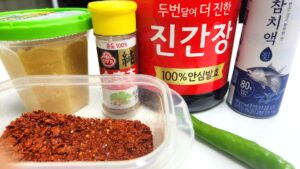
Ingredients (Serves 2–3)
- 1 block firm tofu (300–400g)
- 1 onion, sliced
- 1 green onion
- 1 green chili (optional)
- 2 tbsp soy sauce (or tamari for gluten-free)
- 2 tbsp gochugaru (Korean red pepper flakes)
- 1 tbsp minced garlic
- 1 tbsp tuna extract (optional — skip for vegan)
- 225ml water
- A pinch of salt
How to Make It
Step 1 — Prep Your High-Protein Korean Tofu
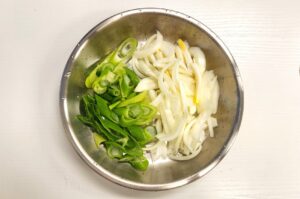
Cut the tofu into medium-sized pieces and pat each piece dry with a paper towel. This step is worth doing properly — removing surface moisture helps the tofu hold its shape during cooking and allows the sauce to absorb more evenly rather than just sitting on the surface.
Step 2 — Build the base
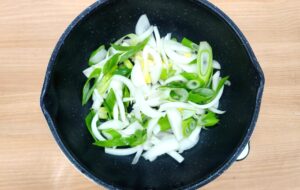
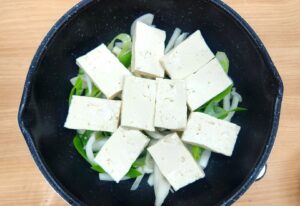
Lay the sliced onions flat across the bottom of a wide pan. Arrange the tofu pieces on top in a single layer. The onions act as a buffer between the tofu and the direct heat, preventing sticking while releasing natural sweetness into the sauce as they cook down.
Step 3 — Make the sauce
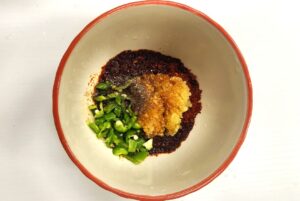
Mix the soy sauce, gochugaru, minced garlic, tuna extract (if using), and water in a small bowl. Pour evenly over the tofu.
Step 4 — Simmer and reduce
Cook over medium heat for 10–15 minutes, spooning the sauce over the tofu occasionally as it reduces. The dish is ready when the sauce has thickened and the tofu has taken on a deep reddish color throughout. Don’t rush this step — the reduction concentrates the flavor and finishes cooking the sauce into the tofu rather than just around it.
Prep: 5 minutes | Cook: 15 minutes | Protein per serving: ~10–15g
How Dubu Jorim Fits Into a High-Protein Eating Pattern
Dubu jorim works best as a banchan — a Korean side dish eaten alongside rice and one or two other small plates. This structure naturally produces balanced meals: a carbohydrate base (rice), a protein-forward side (dubu jorim), and whatever else you have on hand.
For anyone tracking protein, banchan-style eating is practically useful. Instead of building meals around a single large protein source, you’re distributing protein across multiple smaller dishes — which research suggests may support muscle protein synthesis more effectively than concentrating protein in one meal.
A typical meal with dubu jorim alongside steamed rice, kimchi, and a simple vegetable side can deliver 20–25 grams of protein with minimal effort and a varied, satisfying plate.
It also reheats well — the flavor deepens overnight — making it a practical choice for meal prep. Make a batch on Sunday, and you have a high-protein Korean side dish ready for three days of meals.
Frequently Asked Questions
Is tofu a complete protein?
Yes. Tofu contains all nine essential amino acids, which is unusual for a plant protein. Its PDCAAS score of 0.9–1.0 puts it close to animal proteins in terms of bioavailability — meaning the body can actually use most of what it takes in.
meaning the body can actually use most of what it takes in. Learn more at Healthline.
How does tofu compare to chicken for protein?
Chicken breast delivers around 23g of protein per 100g, compared to 8–15g for firm tofu. Tofu is lower, but it comes packaged with fiber, phytonutrients, zero cholesterol, and a much lower environmental footprint. As a plant protein source, it’s hard to beat for the combination of protein quality and nutritional range.
Can I make this vegan?
Yes — leave out the tuna extract. The soy sauce and garlic carry the umami well. For extra depth without fish, add a small piece of dried kombu to the sauce while it simmers, then remove before serving.
Can I use silken tofu instead of firm?
Silken tofu won’t hold up to braising — it will fall apart in the pan. Firm or extra-firm tofu is necessary for this dish. Extra-firm also has a slightly higher protein content since more water has been pressed out.
How long does it keep?
Up to 3 days in an airtight container in the fridge. The flavor genuinely improves by day two as the sauce continues to absorb into the tofu. Reheat gently with a small splash of water, or eat cold — both work well.
Protein doesn’t have to mean the same three foods on rotation. Dubu jorim has been a protein staple in Korean home cooking for generations — not because people were tracking macros, but because tofu is cheap, filling, and genuinely satisfying when it’s cooked well.
Fifteen minutes. One pan. The most underrated high-protein Korean side dish you can make.