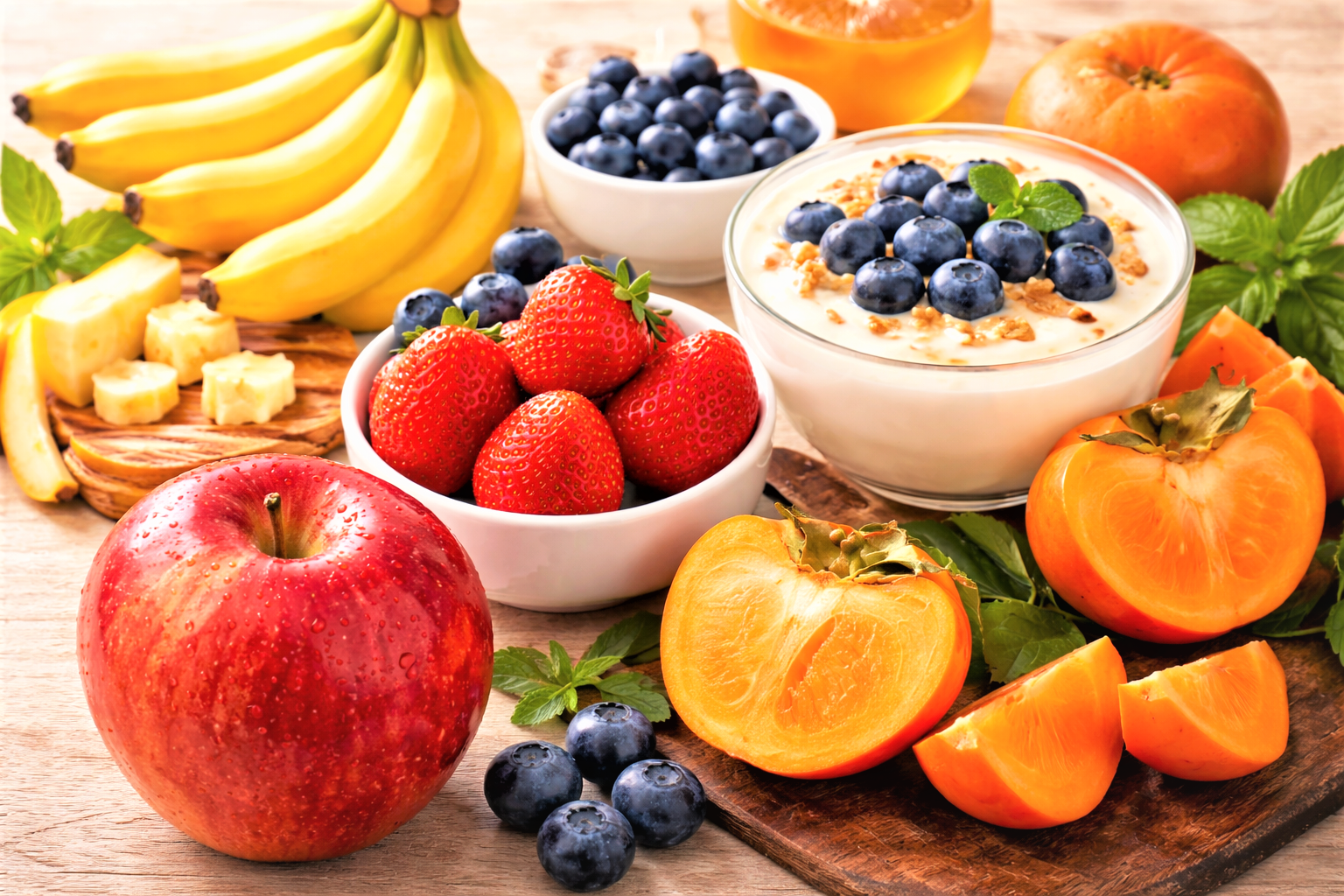
Knowing the best fruits for blood sugar control starts with one surprising fact: watermelon has a glycemic index of 72. A glazed donut sits at 75. By that measure, a bowl of watermelon and a donut do almost identical things to your blood sugar.
Most people find this hard to believe — because watermelon is fruit, and fruit is healthy. But the glycemic index doesn’t care about that distinction. It only measures one thing: how fast a food raises your blood glucose. And some fruits raise it faster than candy.
This doesn’t mean fruit is bad. It means not all fruit is the same — and knowing the difference is one of the most practical things you can do for blood sugar control.
Why Some Fruits Spike Blood Sugar More Than Others
The answer comes down to two things: fiber and the form the sugar takes.
Fiber is the reason a whole apple behaves very differently from apple juice. When you eat a whole apple, the fiber slows digestion — glucose enters your bloodstream gradually, producing a gentle rise and fall. When you juice that apple, you strip out most of the fiber, and the sugar hits your bloodstream all at once. Same fruit. Very different blood sugar response.
The form of sugar matters too. Unripe bananas contain mostly resistant starch, which behaves like fiber and barely raises blood sugar. Research published in PLOS One found that as bananas ripen, their sugar content quadruples — from around 3 grams per 100g when unripe to 12–13 grams when fully ripe — while fiber content drops by more than half. A green banana and a spotted brown banana are practically different foods from a blood sugar perspective.
This is why the glycemic index exists: to cut through the “natural vs. processed” framing and measure actual blood glucose impact.
eating cabbage daily
The Fruits That Spike Blood Sugar — More Than You’d Expect
Watermelon (GI: 72)
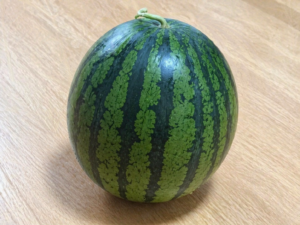
The highest GI of any commonly eaten fruit. Its GI matches or exceeds many processed sweets — including glazed donuts. The saving grace is that watermelon is mostly water, so a small slice has a low glycemic load. But a large bowl is a different story entirely, especially eaten alone on an empty stomach.
Lychee (GI: 79)
One of the least discussed high-GI fruits. Lychees are sweet, easy to overeat, and their GI places them firmly in candy territory. A small handful is fine; a full bowl is not.
Ripe Bananas (GI: 62)
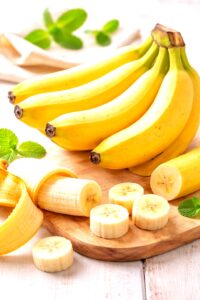
The riper the banana, the higher the blood sugar impact. An unripe banana has a GI around 42. A fully ripe, spotted banana climbs to 62 — and because the fiber has broken down, there’s less to slow absorption. If you eat bananas regularly, choosing less ripe ones makes a real difference.
Dried Fruit — The Biggest Trap
A small box of raisins contains roughly the same sugar as a candy bar. Drying fruit removes water and concentrates sugar, while many commercial dried fruits add even more sugar on top. A tablespoon here and there is fine; treating dried fruit as a snack by the handful is not.
The Best Fruits for Blood Sugar Control
Berries — The Clearest Win (GI: 25–40)
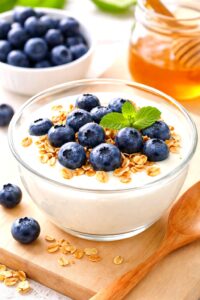
Strawberries, blueberries, raspberries, and blackberries are the most blood sugar-friendly fruits available. A cup of strawberries contains only 7 grams of sugar. They’re high in fiber, high in anthocyanins — compounds associated with improved insulin sensitivity — and their GI is low enough that portion size rarely becomes an issue. These are the fruits you can eat freely without watching the clock.
Cherries (GI: 22)
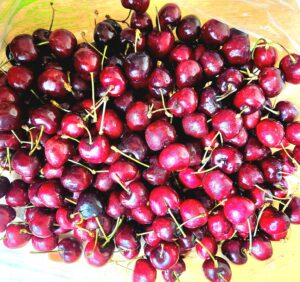
One of the lowest GI fruits. Cherries are also rich in anthocyanins, which research suggests may reduce blood sugar levels and support insulin function. A cup of fresh cherries after a meal is a genuinely good choice for blood sugar management — not just “acceptable,” but actively useful.
Apples and Pears (GI: 32–38)
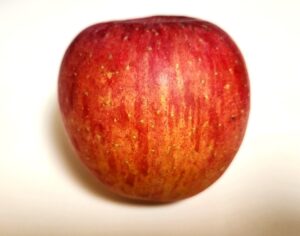
Both work well when eaten whole with skin on. The skin is where most of the fiber lives, and fiber is what makes these fruits safe for blood sugar. An apple eaten whole has a glycemic load of around 4.7 — low by any measure. The same apple juiced is a different story.
Citrus (GI: 25–50)
Oranges, grapefruits, and kiwis are all solid choices. Grapefruit in particular has a GI of around 25 and contains naringenin, a compound that may improve insulin sensitivity. Citrus fruits are also high in fiber and vitamin C, and their natural acidity slows stomach emptying — which further softens blood sugar impact.
The One Timing Trick That Changes Everything
Here’s something most fruit guides don’t tell you: the same piece of fruit can cause dramatically different blood sugar responses depending on when you eat it.
Eating fruit alone, first thing in the morning or between meals, gives sugar fast and direct access to your bloodstream. There’s nothing else in your digestive system to slow things down.
Eating the same fruit after a balanced meal — one with protein, fat, and fiber — produces a much more gradual response. The other macronutrients slow stomach emptying and blunt the glucose spike significantly.
Practical pairings that work:
- Apple slices with almond butter
- Berries with Greek yogurt
- Cherries after a meal that included protein
- Kiwi alongside eggs or cottage cheese
This single adjustment — eating fruit with food rather than alone — can make a bigger difference than switching from one fruit to another.
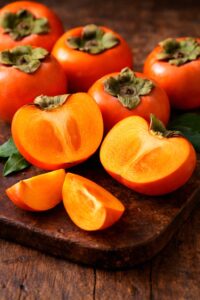
Fruit Blood Sugar Comparison Chart
| Fruit | GI Score | Sugar per 100g | Verdict |
|---|---|---|---|
| Cherries | 22 | 12g | ✅ Best choice |
| Strawberries | 40 | 5g | ✅ Best choice |
| Apple (whole) | 36 | 10g | ✅ Good choice |
| Pear (whole) | 38 | 10g | ✅ Good choice |
| Grapefruit | 25 | 7g | ✅ Good choice |
| Blueberries | 53 | 10g | ✅ Good choice |
| Banana (unripe) | 42 | 3g | ⚠️ Watch ripeness |
| Banana (ripe) | 62 | 17g | ⚠️ Moderate |
| Mango | 60 | 14g | ⚠️ Watch portions |
| Watermelon | 72 | 6g | ❌ High GI |
| Lychee | 79 | 15g | ❌ High GI |
| Dates (dried) | 42–62 | 63g | ❌ Very high sugar |
Frequently Asked Questions
Is fruit juice as good as whole fruit for blood sugar?
No — the difference is significant. Juicing removes most of the fiber that slows sugar absorption. Even 100% natural juice without added sugar causes a faster and higher blood sugar spike than eating the equivalent whole fruit. Whole fruit every time.
Can I eat fruit if I’m trying to control blood sugar?
Yes — but the type, ripeness, portion size, and timing all matter. Berries, cherries, apples, and citrus fruits eaten with meals are genuinely good choices. The problem isn’t fruit; it’s eating high-GI fruit alone in large portions.
Does blending fruit affect blood sugar?
More than eating it whole. Blending breaks down cell walls, making sugar more immediately available. A smoothie will cause a faster rise than the same ingredients eaten whole. Adding protein or healthy fat helps — but whole fruit eaten whole is still the most blood sugar-friendly option.
What’s the difference between glycemic index and glycemic load?
GI measures how fast a food raises blood sugar. Glycemic load (GL) factors in portion size. Watermelon has a high GI but a moderate GL per typical serving — because it’s mostly water. Both numbers matter. A food can have a high GI but be fine in small portions; a food can have a moderate GI but spike blood sugar in large amounts.
Healthline
Fruit isn’t the enemy — but choosing the best fruits for blood sugar control makes a real difference. But “it’s natural” isn’t a reason to assume it’s automatically safe for blood sugar. A glazed donut and a bowl of watermelon are further apart in every other nutritional category — but on the GI scale, they’re almost identical.
Know the numbers. Watch the timing. The best fruits for blood sugar control are the ones you eat whole, with food, in portions that match their sugar content — not the ones that just sound healthy.