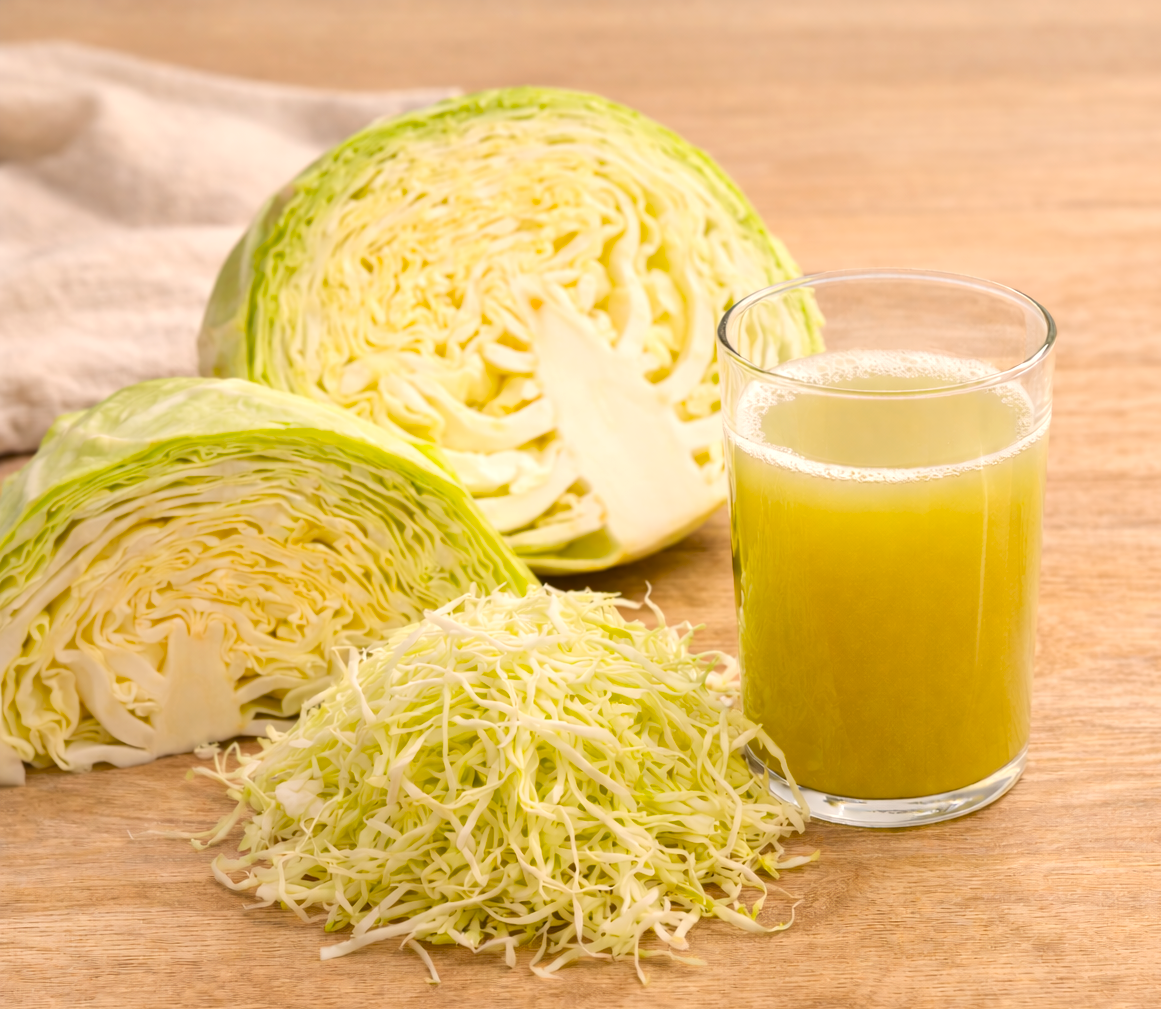
Cabbage juice benefits have been talked about for decades, particularly when it comes to digestive health and stomach comfort. If you have ever experienced bloating, heartburn, or an uncomfortable stomach after meals, you have probably heard someone suggest drinking cabbage juice as a remedy.
But does cabbage juice actually work? And what does the evidence say about its benefits, limitations, and best ways to use it?
In this guide, we will take a practical, honest look at what cabbage juice can and cannot do — including what to check when buying a product, practical tips for drinking it, and when eating whole cabbage might actually be the better choice.
Why Is Cabbage Considered Good for the Stomach?

Before diving into cabbage juice specifically, it helps to understand why cabbage in general has such a strong reputation for supporting digestive health.
Cabbage contains several compounds that research has linked to stomach and gut health:
Vitamin U (S-methylmethionine) — This is perhaps the most well-known compound associated with cabbage and stomach health. Vitamin U is not technically a vitamin, but it is a naturally occurring compound found in cabbage that has traditionally been used to support the stomach lining. It has been studied for its potential role in reducing stomach discomfort and supporting recovery from gastric irritation.
Dietary Fiber — Cabbage is a good source of dietary fiber, which supports healthy digestion, regular bowel movements, and a balanced gut microbiome. Fiber acts as a prebiotic, feeding the beneficial bacteria in your gut.
Antioxidants — Cabbage contains antioxidants including Vitamin C and various polyphenols that help protect cells from oxidative stress, including cells in the digestive tract.
Glutamine — Raw cabbage contains glutamine, an amino acid that plays an important role in maintaining the integrity of the gut lining. Some research suggests glutamine may help support gut barrier function.
Because of these compounds, cabbage has long been associated with digestive comfort — and cabbage juice, as a concentrated form of raw cabbage, carries many of the same properties.
Cabbage Juice Benefits: What It May Help With
Here are the main cabbage juice benefits that are most commonly discussed and supported by available evidence:
May Support Stomach Lining Health — The Vitamin U content in cabbage juice has been studied for its potential to support the stomach lining. Some older clinical studies from the 1950s found that raw cabbage juice helped reduce recovery time for people with stomach ulcers, though more modern research is still limited.
May Reduce Bloating and Digestive Discomfort — For some people, drinking small amounts of cabbage juice regularly helps reduce bloating and general digestive discomfort. This may be related to its anti-inflammatory properties and its effect on gut bacteria.
Supports Gut Bacteria Balance — The fiber and natural compounds in cabbage juice may help support a healthy balance of gut bacteria, which plays a central role in overall digestive health and immune function.
Rich in Antioxidants — Cabbage juice retains much of the Vitamin C and antioxidant content of raw cabbage, making it a useful addition to an antioxidant-rich diet.
Low in Calories — Pure cabbage juice is very low in calories, making it a practical way to get the benefits of cabbage without adding significant calories to your diet.
Convenient for People Who Dislike Raw Cabbage — For people who find raw cabbage too tough or unpleasant to eat, juice form offers a gentler and more accessible alternative.
What Makes Cabbage Juice Convenient?
Cabbage juice is simply cabbage that has been ground or extracted into a drinkable form. You can make it at home using a juicer or blender, or purchase it as a ready-made product.
Many commercial cabbage juice products come in convenient pouch or bottle packaging, making them easy to consume:
• In the morning before breakfast
– When cooking feels difficult or you are short on time
– When your overall vegetable intake is low
– As a supplement to your regular diet during periods of stomach discomfort
For people who struggle to eat enough vegetables regularly, cabbage juice can be a practical and easy-to-maintain habit.
Is Cabbage Juice Better Than Eating Whole Cabbage?

This is an important question, and the honest answer is: not necessarily. Cabbage juice and whole cabbage each have their own advantages.
Advantages of cabbage juice:
– Quick and easy to consume
– Gentler on the stomach for people sensitive to raw fiber
– Easier to drink consistently as a daily habit
– Convenient when traveling or busy
Advantages of eating whole cabbage:
– Higher in dietary fiber, which supports digestion and fullness
– Provides more chewing, which slows eating and supports satiety
– Often more affordable than commercial juice products
– Better for overall gut health due to its prebiotic fiber content
In some situations, eating whole cabbage directly may be more beneficial than juice:
• When dealing with constipation, the fiber in whole cabbage is more effective
– During dieting, the fullness provided by whole cabbage is more satisfying
– When overall vegetable intake is low, whole vegetables provide more comprehensive nutrition
The best approach for most people is to use cabbage juice as a convenient supplement — not as a complete replacement for eating whole vegetables.
Practical Tips When Drinking Cabbage Juice
If you decide to try cabbage juice, these practical tips will help you get the most out of it:
Adjust the timing based on your condition — Some people find cabbage juice most effective on an empty stomach in the morning. However, if you have a sensitive digestive system, drinking it straight before eating may cause discomfort. In that case, drinking it after meals or mixed with other foods may feel more comfortable.
Do not drink it too cold — Drinking cold cabbage juice straight from the refrigerator can irritate the stomach lining for some people. Try leaving it at room temperature for a few minutes before drinking, or placing the pouch briefly in lukewarm water. This is especially helpful during colder months.
Start with a small amount — If you are new to cabbage juice, start with a small amount — around 50 to 100ml — and increase gradually. This allows your digestive system to adjust and reduces the chance of initial discomfort.
Be consistent — Like most dietary habits, cabbage juice is most effective when consumed regularly over a sustained period rather than occasionally. Try to make it a consistent daily or weekly habit rather than drinking it only when you feel stomach discomfort.
Combine it with better overall eating habits — Cabbage juice alone is unlikely to make a significant difference if your overall diet includes frequent late-night meals, excessive spicy or irritating foods, or irregular eating patterns. Adjusting these habits alongside drinking cabbage juice will produce much better results.
What to Check When Choosing a Cabbage Juice Product
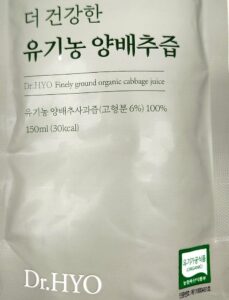
If you are buying commercial cabbage juice rather than making it at home, here are the key things to check on the label:
Percentage of cabbage content — Look for products that are made primarily from cabbage, ideally 100% or close to it. Some products dilute the cabbage content significantly with water or other ingredients.
Added sugars — Some commercial vegetable juice products add fruit concentrates or sugar to improve the taste. These additions can make the product function more like a sweetened drink than a health supplement. Check the ingredient list carefully.
Minimal and simple ingredients — The best cabbage juice products have short ingredient lists. Ideally, the only ingredients should be cabbage and possibly a small amount of water or natural preservative.
Organic certification — If possible, choose organically certified products to reduce exposure to pesticide residues, which are particularly relevant for juiced vegetables where the skin is included.
My Personal Experience
In my own experience, I started drinking cabbage juice regularly during a period when my stomach felt consistently uncomfortable after meals. I noticed that drinking a small amount after meals — rather than on an empty stomach — felt much more comfortable for my digestion.
The effect was subtle rather than dramatic. What made the biggest difference was combining cabbage juice with eating more vegetables during meals overall. The juice alone had a limited effect, but as part of a broader effort to eat more vegetables and reduce irritating foods, it felt genuinely helpful.
Final Summary
Cabbage juice benefits are real, but they work best as part of a broader healthy eating habit rather than as a standalone remedy. Here is a quick summary:
✔ Cabbage juice may support stomach lining health and reduce digestive discomfort
✔ It is a convenient way to consume cabbage, especially for people who dislike raw vegetables
✔ Whole cabbage provides more fiber and is often a better choice for constipation and fullness
✔ When buying commercial products, check cabbage content, added sugars, and ingredient simplicity
✔ Consistency matters more than quantity — a small amount regularly is better than a lot occasionally
If your stomach has been feeling uncomfortable and you are looking for a simple, natural addition to your diet, cabbage juice is worth trying — especially when combined with mindful eating habits overall.
For more on cabbage nutrition, visit Healthline’s guide to cabbage juice.
Looking for more healthy eating ideas? Explore these related guides: