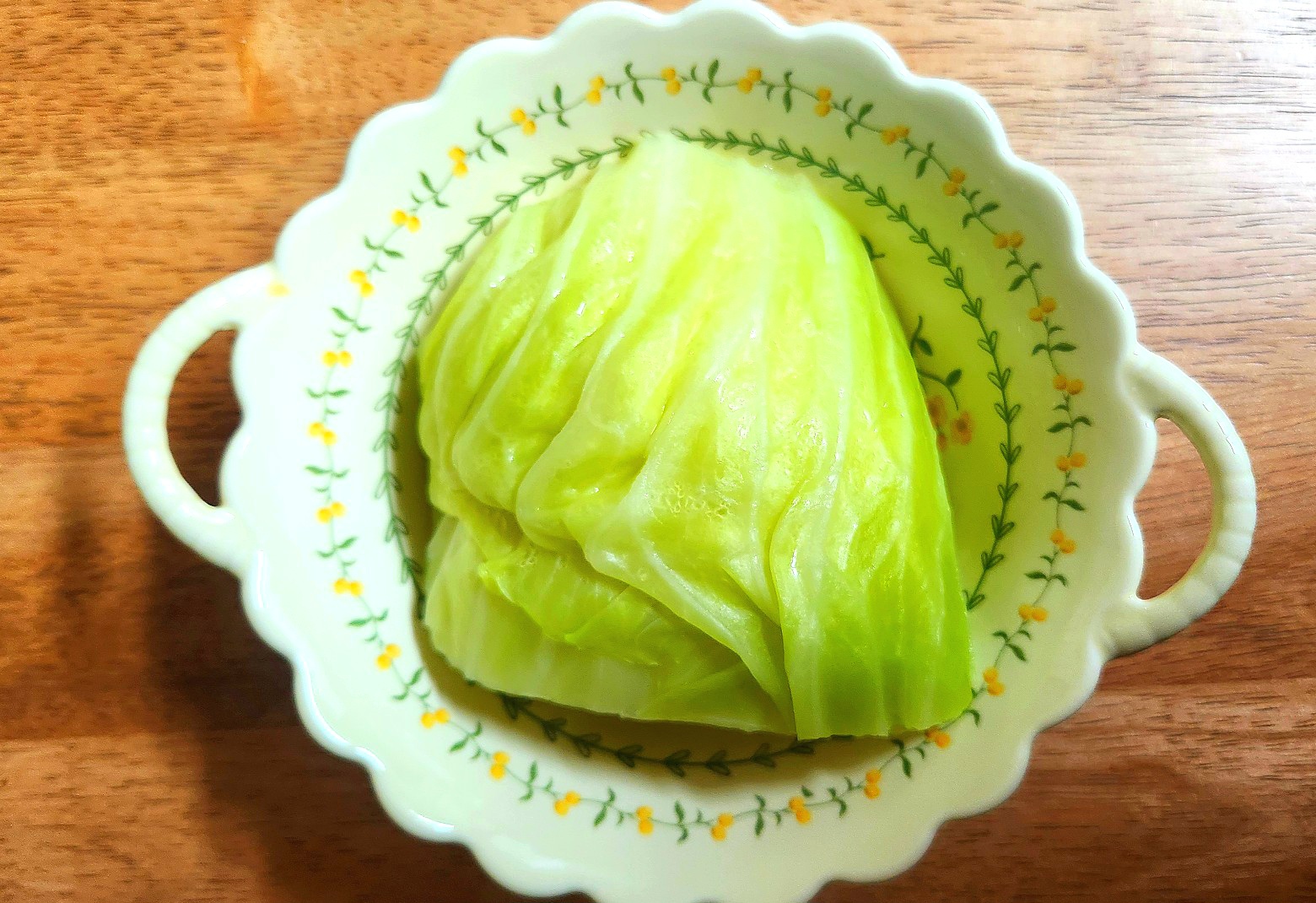
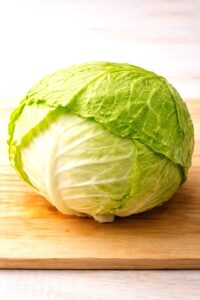
Eating one handful of cabbage a day is one of the simplest healthy habits you can build. Cabbage is affordable and nutritious, yet many people struggle to eat it consistently — not because they dislike it, but because they are unsure how much to eat or how to prepare it.
The solution is simpler than you might think: just eat one handful of cabbage a day. This small, manageable habit can make a significant difference in your overall health without requiring any major changes to your existing diet.
In this guide, we will explore exactly what eating one handful of cabbage a day can do for your body, how much that actually is, and the easiest ways to make it a natural part of your daily routine.
Why One Handful of Cabbage a Day?
Most health advice around vegetables focuses on large quantities — five servings a day, a full cup with every meal, and so on. For many people, this feels overwhelming and unsustainable. As a result, they give up before the habit has a chance to form.
Eating one handful of cabbage a day takes a completely different approach. Instead of overhauling your entire diet, you simply add one small, consistent portion of cabbage to what you are already eating. Over time, small habits like this are far more likely to stick than dramatic dietary changes.
Research in behavioral nutrition consistently shows that consistency matters more than quantity when building healthy eating habits. One handful every day is more beneficial than a large amount eaten once a week.
What Does “One Handful” of Cabbage Actually Mean?
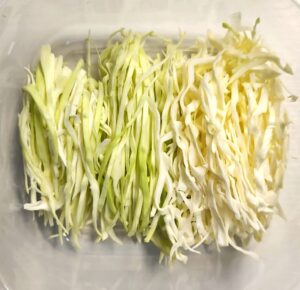
If you are unsure exactly how much one handful of cabbage is, here are some helpful reference points:
• One handful of shredded cabbage is roughly 70 to 100 grams, or about half a cup
– It is approximately one small salad bowl portion
– It is about 5 to 6 spoonfuls when added to cooking
– It fits easily in the palm of one hand when lightly packed
This is a much smaller amount than most people expect. It is easy to fit into almost any meal without significantly changing the dish. In fact, most people find they do not even notice it once it is mixed into their food.
Health Benefits of Eating Cabbage Every Day
Cabbage may be humble in appearance, but it is remarkably rich in nutrients. Here is what a daily handful can do for your health:
High in Vitamin C — One serving of cabbage contains a significant amount of Vitamin C, which supports immune function, skin health, and iron absorption. This makes it especially valuable during cold and flu season.
Rich in Vitamin K — Cabbage is an excellent source of Vitamin K, which plays an important role in blood clotting and bone health. Regular consumption may help support long-term bone density.
Supports Digestive Health — Cabbage is high in dietary fiber, which helps keep digestion regular and feeds beneficial gut bacteria. Raw cabbage in particular contains compounds that support a healthy gut lining.
Anti-Inflammatory Properties — Cabbage contains antioxidants including anthocyanins (especially in red cabbage) and sulforaphane, which have been shown to help reduce inflammation in the body.
Low in Calories — One handful of cabbage contains only about 20 to 25 calories, making it one of the most calorie-efficient vegetables available. It adds volume and nutrition to meals without adding significant calories.
Supports Heart Health — The fiber, potassium, and antioxidants in cabbage all contribute to cardiovascular health. Regular cabbage consumption has been associated with lower levels of LDL cholesterol in some studies.
If Eating Cabbage Daily Feels Difficult
Many people know cabbage is healthy but struggle to eat it regularly. The most common reasons include not knowing how to prepare it quickly, finding the texture unappealing on its own, or simply forgetting to include it in meals.
Here are some strategies that make the habit much easier to maintain:
Prepare it in advance — Shred a full head of cabbage at the start of the week and store it in an airtight container in the refrigerator. It stays fresh for up to five days, making it easy to grab a handful whenever you need it.
Start with small amounts — If you find the flavor strong at first, start with just two or three spoonfuls and gradually increase the amount over a few weeks. Your palate will adjust.
Mix it into dishes you already enjoy — The easiest way to eat cabbage consistently is to add it to meals you already make regularly, rather than creating entirely new recipes around it.
Focus on consistency over quantity — Missing a day is fine. The goal is to eat cabbage more days than not, not to achieve perfection.
Easy Dishes You Can Make with One Handful of Cabbage
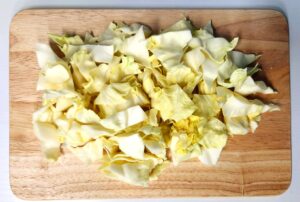
One of the best things about cabbage is how versatile it is. Here are four simple ways to include it in your daily meals:
1. Quick Cabbage Stir-Fry
Stir-fry shredded cabbage with a little oil and salt for just three to four minutes. It becomes tender and slightly sweet, making it a perfect simple side dish that takes almost no effort.
2. Cabbage and Egg Stir-Fry
Cook cabbage first until slightly softened, then add one or two beaten eggs and scramble everything together. Season with soy sauce or salt and pepper. This is a quick, filling, and nutritious meal.
3. Fresh Cabbage Salad
Mix shredded raw cabbage with small amounts of apple or corn, and dress lightly with olive oil and lemon juice or a light vinegar dressing. Raw cabbage retains more of its Vitamin C and digestive benefits.
4. Side Dish with Heavier Meals
Adding a small portion of lightly cooked cabbage alongside fried or fatty foods helps balance the meal and makes it feel lighter. This is particularly useful for anyone watching their calorie intake without wanting to sacrifice satisfying meals.
Helpful Tips for Eating Cabbage Regularly

Once you commit to eating one handful of cabbage a day, these practical tips will help you stay consistent:
• Increase portions slowly — Jumping straight to large amounts can cause bloating in some people, particularly those not used to high-fiber vegetables. Start small and build up gradually.
• Lightly blanch it if raw feels too firm — If raw cabbage feels too tough or heavy on your stomach, a quick 60-second blanch in boiling water softens it significantly without destroying its nutrients.
• Divide it into two servings — Instead of eating your daily handful in one sitting, split it between lunch and dinner. This spreads out the fiber intake and reduces the chance of digestive discomfort.
• Eat it when meals feel too heavy or oily — Cabbage works as a natural digestive aid when eaten alongside rich or fatty foods. Keep it as a regular addition to heavier meals.
My Personal Experience
In my own experience, adding just a small portion of cabbage to meals each day felt much easier than trying to change my entire diet at once. After a few weeks, it stopped feeling like a conscious effort and simply became part of how I cook.
The most useful habit I developed was shredding cabbage in advance and storing it in the refrigerator. Having it ready to grab meant I never had to think about preparation in the moment — I could just add a handful to whatever I was already making.
Final Summary
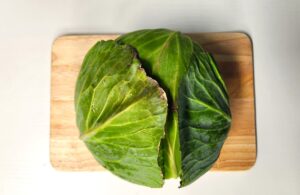
Eating one handful of cabbage a day does not require large portions, complicated recipes, or major changes to your diet. It is one of the simplest and most sustainable healthy eating habits you can build.
✔ One handful per day is enough to see real benefits
✔ Easy to include in soups, stir-fries, salads, and side dishes
✔ Supports digestion, immunity, heart health, and more
✔ Helps build long-term healthy eating habits through consistency
Start small, stay consistent, and let the habit grow naturally. Small changes made every day are the foundation of lasting health.
For more on cabbage nutrition, visit Healthline’s guide to cabbage benefits.
Looking for more healthy eating ideas? Explore these related guides: