
Not all carbs are created equal.
If you love carbs but worry about weight gain and blood sugar spikes, there is one concept that changes everything: resistant starch.
Resistant starch is a type of carbohydrate that your small intestine cannot fully digest. Instead of spiking your blood sugar, it passes into your large intestine and acts more like dietary fiber — feeding your gut bacteria and keeping you fuller for longer.
In this guide, you will learn exactly what resistant starch is, which foods contain the most of it, and the simple cooking tricks that can turn ordinary carbs into a powerful tool for weight management.
What You Will Learn
- What is resistant starch?
- Why it is a dieter’s secret weapon
- How to increase resistant starch in common foods
- Food-by-food guide (rice, sweet potato, banana, pasta)
- The Cool–Wait–Reheat method explained
- Practical daily tips
- FAQ
What Is Resistant Starch?
When you eat regular starch — white rice, bread, or a baked potato — your digestive enzymes quickly break it down into glucose. That glucose enters your bloodstream fast, causing a blood sugar spike followed by an energy crash (and often, more hunger).
Resistant starch works differently. Its molecular structure is tightly packed, making it physically resistant to the digestive enzymes in your small intestine. As a result:
- It produces far fewer calories per gram (roughly 2 kcal vs. 4 kcal for regular starch).
- It reaches your large intestine largely intact, where gut bacteria ferment it.
- That fermentation produces short-chain fatty acids (SCFAs) — particularly butyrate — which support colon health, reduce inflammation, and help regulate fat metabolism.
Think of it as a carb that behaves like a vegetable inside your body.
💡 Quick fact: Studies show that replacing just 5.4% of total carbohydrate intake with resistant starch can increase fat burning by up to 23% after a meal.
Why Resistant Starch Is a Dieter’s Secret Weapon
1. It dramatically lowers the glycemic response
Eating resistant starch instead of regular starch produces a much smaller blood sugar spike. This means less insulin release, less fat storage, and more stable energy throughout the day.
2. It keeps you fuller for longer
Resistant starch slows gastric emptying — the process by which food leaves your stomach. This is why a meal with resistant starch tends to keep hunger away for 2–3 hours longer than the same meal with regular starch.
3. It feeds your good gut bacteria
The fermentation of resistant starch in your colon is essentially a “prebiotic” effect. It selectively feeds beneficial bacteria like Bifidobacterium and Lactobacillus, which are linked to better immunity, mood, and metabolism.
4. It reduces the calorie impact of a meal
Because much of the starch passes through undigested, a bowl of cooled rice genuinely contains fewer available calories than the same bowl eaten hot.
How to Increase Resistant Starch: The Science of Cooking and Cooling
Here is the key insight most people miss: cooking changes the structure of starch.
When you cook starch, the tightly packed starch granules swell and become easy to digest — raising the GI. But when you cool cooked starch, something remarkable happens called retrogradation: the starch molecules re-form into a tightly packed, crystalline structure that is far more resistant to digestion.
This means the same rice, potato, or pasta can have a significantly lower glycemic index simply by being cooked and then cooled.
| Method | Effect on Resistant Starch | Best For |
|---|---|---|
| Eat hot (freshly cooked) | Lowest resistant starch | — |
| Cook, then cool (12–24 hrs) | Highest (+up to 3×) | Meal prep, cold rice bowls |
| Cook, cool, then reheat | Still higher than freshly cooked | Warm meals |
Good news for warm-food lovers: Reheating cooled starch does reduce resistant starch slightly, but it remains noticeably higher than starch that was never cooled. Cook the night before, refrigerate, and reheat the next day.
Food-by-Food Guide to Resistant Starch
🍚 Rice
White rice has a high glycemic index (GI ~72) when eaten fresh and hot. Cooling it overnight changes everything.
- Cook the rice as normal.
- Let it cool, then refrigerate for at least 12 hours.
- Reheat gently or eat cold.
One study found that cooling cooked white rice for 24 hours increased its resistant starch content by approximately 2.5 times.
🍠 Sweet Potato
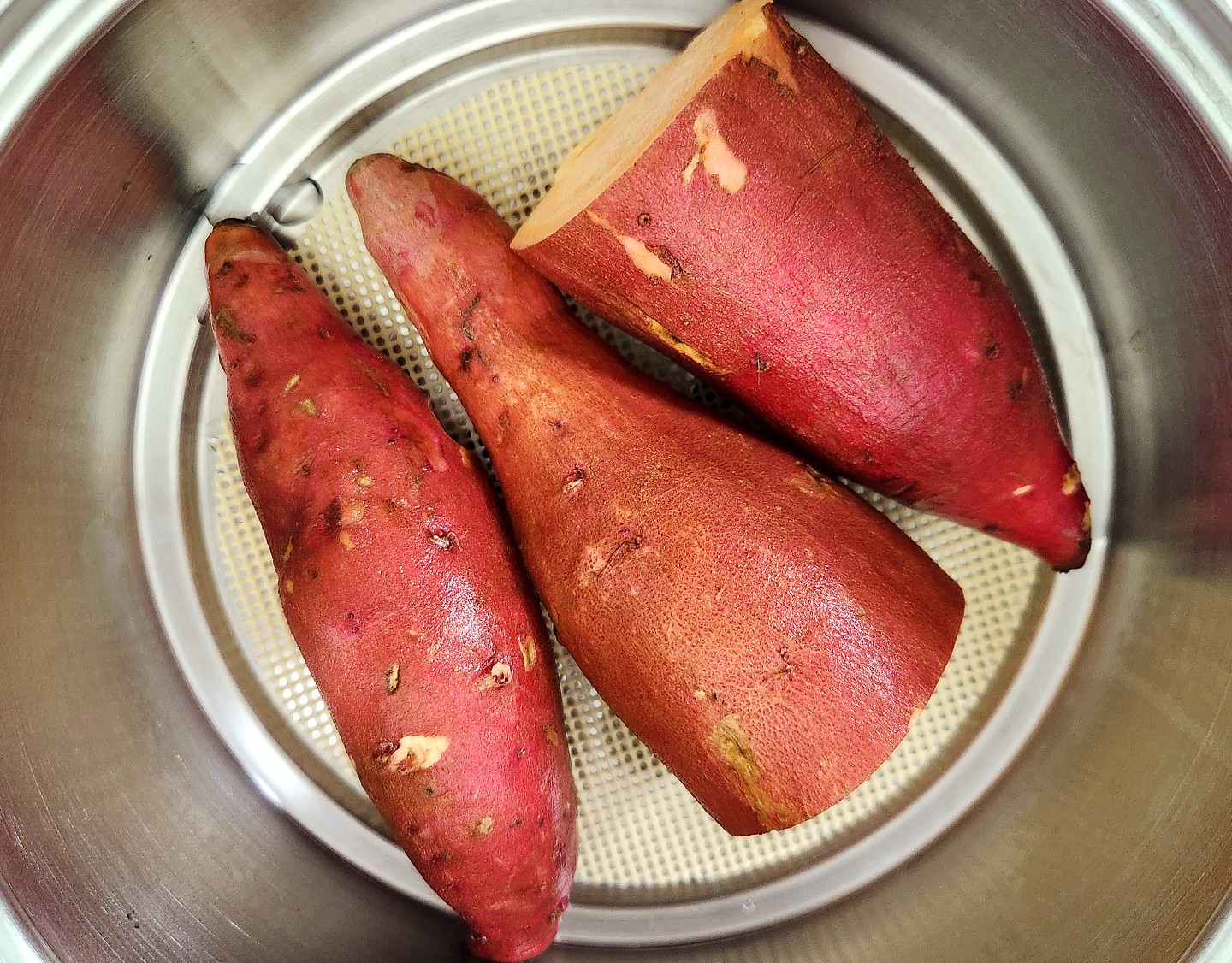
Sweet potatoes are naturally rich in fibre, beta-carotene, and potassium — and cooling them makes them even better.
- Steam or bake, then refrigerate for 12 hours before eating.
- Eat as a cold snack or slice into salads.
- Steaming increases resistant starch more effectively than baking.
🍌 Green (Unripe) Bananas
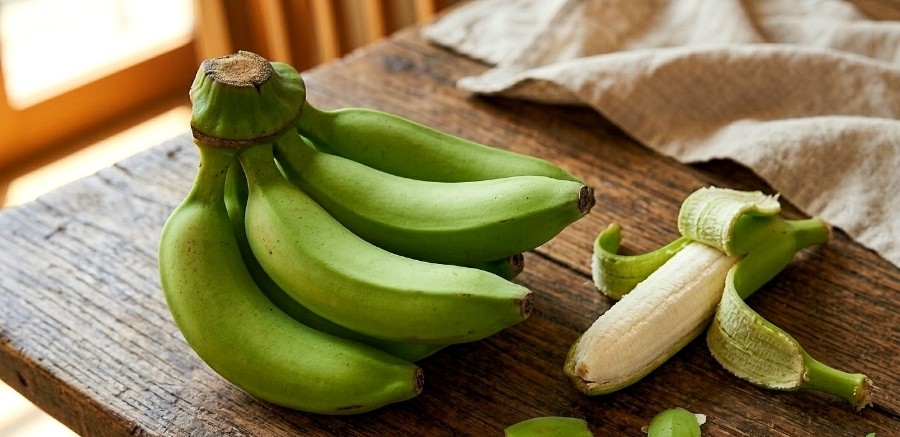
A ripe yellow banana has almost no resistant starch. But a green banana can contain up to 12 g of resistant starch per 100 g — one of the richest natural sources available.
If the taste is too starchy, blend a half-green banana into a morning smoothie — other ingredients mask the flavour completely.
🍝 Pasta & Noodles
- Cook al dente, then rinse under cold water immediately.
- Store in the fridge and use the next day in a cold pasta salad.
- Reheating is fine — benefits remain higher than freshly cooked pasta.
🥔 Regular Potatoes
A hot baked potato has a very high GI (~85). Cooling it overnight drops the GI significantly. Potato salad made with cooled boiled potatoes is actually a lower-GI option than a hot baked potato.
The CWR Method: Cook, Wait, Reheat
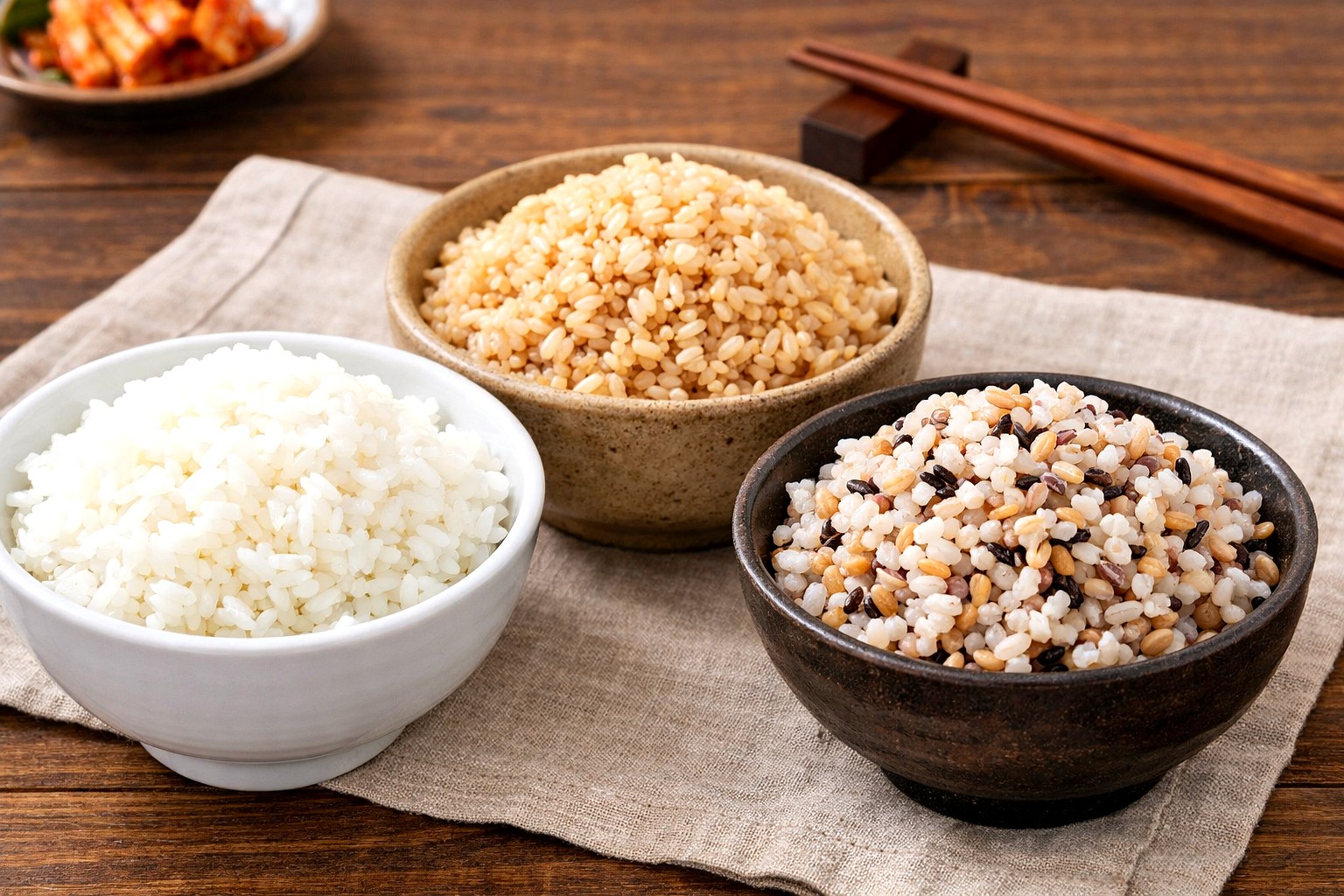
- Cook — Prepare your rice, potatoes, pasta, or sweet potato as usual.
- Wait — Refrigerate overnight (minimum 8 hours, ideal 12–24 hours).
- Reheat — Warm it up gently. The resistant starch level is now permanently higher.
The retrogradation process is not fully reversed by reheating. Think of it like folding a piece of paper — once the crease is set, it remains even if you try to flatten it.
Meal prepping your grains the night before is not just a time-saver — it is also a metabolic upgrade.
5 Practical Tips to Add Resistant Starch to Your Daily Diet
- Meal prep your grains every Sunday. Cook a large batch of rice, cool it, and refrigerate. Use throughout the week.
- Add acid to starchy meals. Vinegar or lemon juice slows starch digestion even further.

Lemon juice slows starch digestion. - Swap hot chips for cold potato salad. Same ingredient, very different metabolic effect.
- Add slightly green bananas to smoothies. You get a significant resistant starch boost without noticing the taste.
- Cook pasta al dente and refrigerate leftovers. Next-day pasta salad is genuinely healthier.
Frequently Asked Questions
Does reheating rice destroy all the resistant starch?
No. Reheating reduces resistant starch slightly, but cooled rice still retains significantly more than freshly cooked rice.
How long do I need to cool rice before eating it?
A minimum of 8 hours in the refrigerator is recommended. Cooling for 12–24 hours produces the maximum benefit. Overnight meal prep is the most practical approach.
Is resistant starch the same as dietary fibre?
They behave similarly in the body, but they are chemically different. Resistant starch is classified as a type of dietary fibre in many nutritional guidelines because of its similar physiological effects.
Can I eat resistant starch if I have diabetes?
Resistant starch has been shown to improve insulin sensitivity and lower post-meal blood sugar responses. However, if you manage blood sugar with medication, consult your healthcare provider first.
For more information, visit Healthline’s guide on resistant starch.
Which food has the most resistant starch?
Green bananas, raw oats, and cooked-then-cooled potatoes and rice are among the highest natural sources. Legumes such as lentils and chickpeas are also excellent.
Final Thoughts
Resistant starch is one of the most practical tools for anyone who loves carbs but wants to manage weight and blood sugar more effectively.
The best part? You do not need supplements or special foods. Just change when you eat your carbs relative to when you cook them.
Cook your rice, sweet potatoes, and pasta the night before. Let them cool. Reheat if you like. That simple habit — practiced consistently — can meaningfully change how your body responds to carbohydrates every single day.
Try the CWR Method this week and notice the difference in your energy and hunger levels.
👉 Want more practical food guides? Check out our guide on Rice vs Potato for Blood Sugar.